
 LANGUAGE

As a Consultant Obstetrician and Gynaecologist, I have been thinking about how best to advice women who ask about the benefit to them of avoiding a vaginal delivery and having an elective caesarean section instead. Sometimes there are clinical reasons why a Caesarean may be advised. However, sometimes women will request a Caesarean section when there is no obvious reason to indicate this is necessary. Despite some press statements to the contrary this is still a relatively unusual request. I suppose my answer will depend on what the woman is concerned about, what her choices are, her experiences, her physical and psychological well-being.

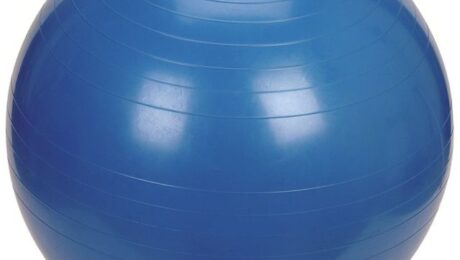
The Birth Ball for movement and pain relief in labour is a large inflated exercise ball that has been adopted into maternity care to aid relaxation and movement (Perez .P 2000). The woman can sit on or lean against the ball, which provides soft support. The ball also expands the number of positions the woman can assume for comfort and offers a means for movement (e.g. bouncing, rolling) in these positions, which provides a counter-distraction during contractions. Many hospitals have birth balls in their maternity departments and encourage labouring women to use them for comfort.
Recent Posts
-

What is toxoplasmosis and how can it impact my pregnancy?
When you’re pregnant, it can feel like there is... -

Why Immediate Skin-to-Skin Matters After Birth – The Power of First Contact
As a private midwife, I’ve had the privilege of... -

What to Expect In The First Few Days with Your New Baby
Postnatal hormones, feeding, recovery, tirednes... -

Birth Positions for Labour
We’ve all seen films and television programmes ... -
Tips for managing early pregnancy anxiety
Have you had a positive pregnancy test? Are you...


Recent Comments